Mar 31, 2026
In this issue
- Dear Camas
- 504s and more
- Sensory Friendly Easter Egg Hunt 2026
- Upcoming events

Dear Camas CSD Special Ed PTSO Community,
In this issue I would like to discuss Section 504 as many families might have questions on how they might impact their child in school and beyond. Below I provide an overview of what Section 504 is and what it isn’t. If your child is struggling in school, having a hard time staying on task, or refusing to go to school because it feels too hard, it might be time to ask why and look further. Talking to your child’s teacher to see if they have noticed similar challenges for your child at school could lead to discussions about a potential evaluation. A 504 plan can be a great fit for many students that require accommodations and supports to access public education. Knowing what learning differences or learning disabilities might be impacting your child at school can also help you learn how to support them more effectively and get them the help they need to succeed.
Warmly,
Camas CSD Special Ed PTSO Team

Understanding 504 Plans vs. IEPs
A 504 is a school developed plan that is supposed to eliminate barriers to learning for students with learning or physical disabilities and ensures access to FAPE. Section 504 is part of the Rehabilitation Act of 1973 a federal civil rights law that gives students equal access to education. 504s typically support students by modifying the learning environment and providing accommodations in a general education classroom setting. Unlike IEPs, 504s do not include specialized instruction or extra funding for school special education services. 504s fall under OCR (Office for Civil Rights) and are not considered special education, while IEPs fall under IDEA and are considered special education. In order to qualify for an IEP, you have to have a least one of the 13 listed disabilities and the disability must adversely affect educational performance to the point that the student needs specialized instruction. A 504 does not have a specific list of qualifying disabilities. Instead, the focus is on whether the condition restricts the student’s ability to access the general education setting, as well as impact major life activities like breathing, walking seeing, hearing, speaking, eating, learning, reading and concentrating to list a few.
Common accommodations might include: extra time on tests or assignments, preferential seating in the classroom, sensory breaks during the school day, access to audiobooks, assistive technology, speech to text, and note taking assistance to name a few. 504s can also cover some health conditions by providing accommodations to students with food allergies or allowing access to medical devices like glucose monitors for students with diabetes or inhalers for students with Asthma in public school.
Why is this important? Before 2007, students with health conditions like peanut allergies might have been denied FAPE (Free Appropriate Education), which was the case for a student in Virginia with a peanut allergy. A complaint was filed to OCR against Gloucester Public Schools in Virginia. When the school district determined that a peanut allergy did not qualify as a disability and did not fall under ADA protections, OCR investigated the case and determined the student’s peanut allergy fell under extraordinary circumstances because it could result in death or serious illness. That meant the student needed accommodations under Section 504 in order to attend school safely. Although the Office for Civil Rights does not usually review individual educational decisions, they may investigate under “extraordinary circumstances.”
A student can be on both an IEP and a 504 plan even though it is not very common because an IEP usually covers accommodations offered in a 504 plan. A specific situation may be, for example, when a student on an IEP breaks their arm and rather than modifying their already existing IEP a 504 is added to temporarily address short term modifications.
A 504 is not as specific about measurable goals, regular progress reports and annual reviews, though Ombuds does provide recommendations regarding the evaluation, timelines, parental consent and suggested team members. A 504 does not have as high of a threshold to qualify and can be beneficial to the student if they don’t require specialized instruction. A successful 504 plan requires consistent parent monitoring even if parent involvement is not required.
How to Get a 504 Plan
- Referral: Parents, teachers, or administrators can request a 504 evaluation if they suspect a student has a disability that warrants accommodations.
- Evaluation: The school will evaluate the student’s needs. Parents must give consent for this evaluation.
- Team Meeting: A team of people who know the student (parents, teachers, counselors) meets to determine eligibility and create the plan.
- Implementation: The school must follow the plan, and staff must be trained to implement it. And list who will be implementing the plan.
If a school refuses to provide a 504 plan, parents have options for dispute resolution, which are outlined in the “Notice of Parent Rights” provided by the school district.

504 Plans and beyond
Schools are not mandated to provide formal transition plans for 504 students after 12th grade. Some school districts do provide transition planning at the districts discretion, so it is worth asking your 504 coordinator about supports the district might offer. Students with 504 plans are often eligible for services through their state’s Vocational Rehabilitation (VR). Students with 504s can receive Pre-Employment Transition Services (Pre-ETS) such as job exploration, counseling and workplace readiness training without needing an IEP. Students must have a documented disability and be 14-22 years old, or up to 24 yrs old in some cases depending on your state. To start the process parents can contact their local VR agency directly and request a transition service placement independent of the school’s process. Self-advocacy is a very important part of post-secondary planning. Under ADA and Section 504 a person must self-disclose their disability and request accommodations. High school 504 plans can help establish the need for accommodations in work and college settings. Students can work with their 504 coordinator to do career prep even if they don’t have a formal transition plan, as well as discuss what else is available to high school students like internships, running start or a vocational school to see if they would be a good fit. IEP plans end after the student ages out of the school system at age 22 and do not follow the student to work or college, so it is still helpful to learn more about 504s, ADA and what else is available to students beyond IEPs.
For more information check out the links below
Ombuds and 504s in Washington State
Sensory Friendly Egg Hunt 2026

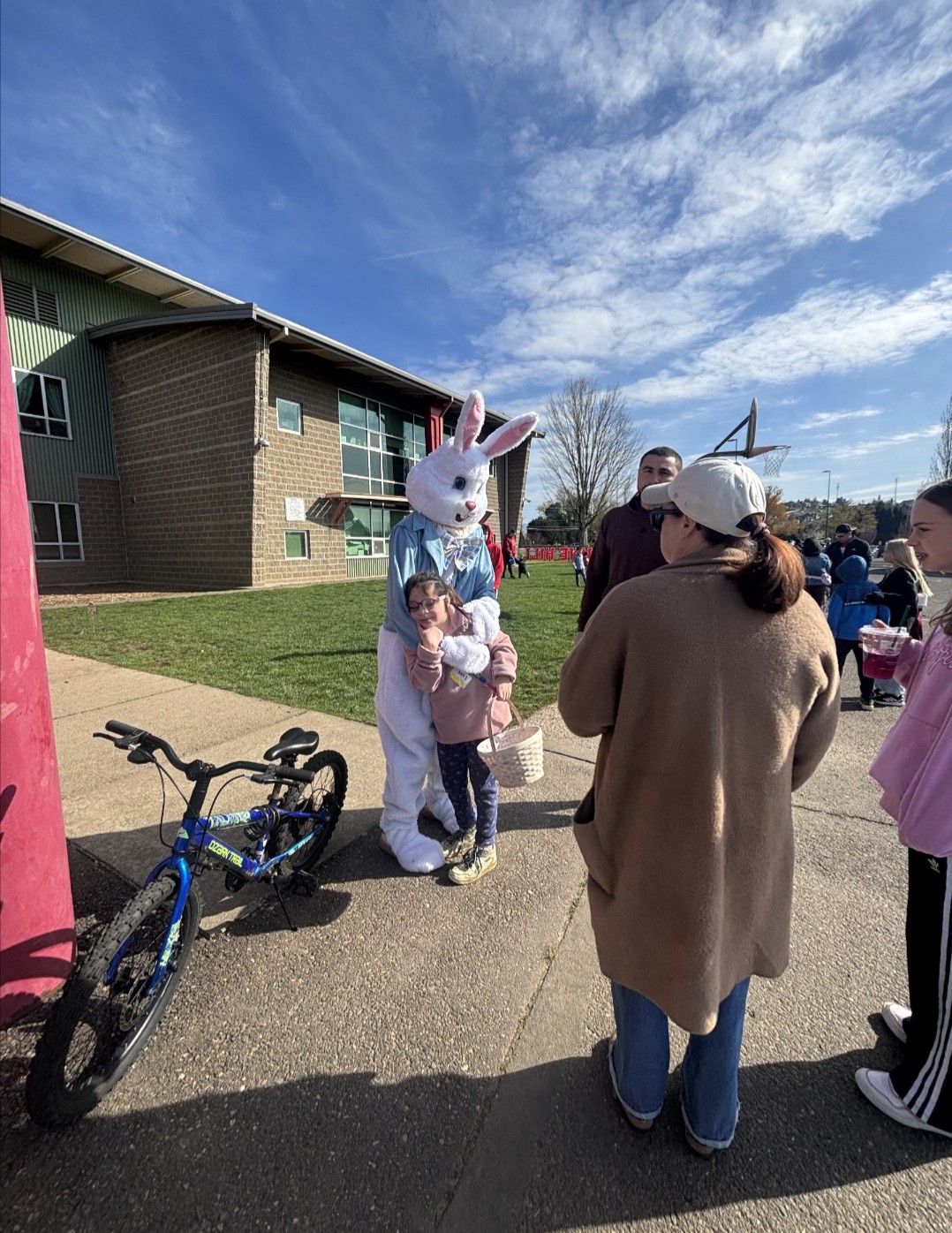

With so many eggs to find even the Easter Bunny stopped by.




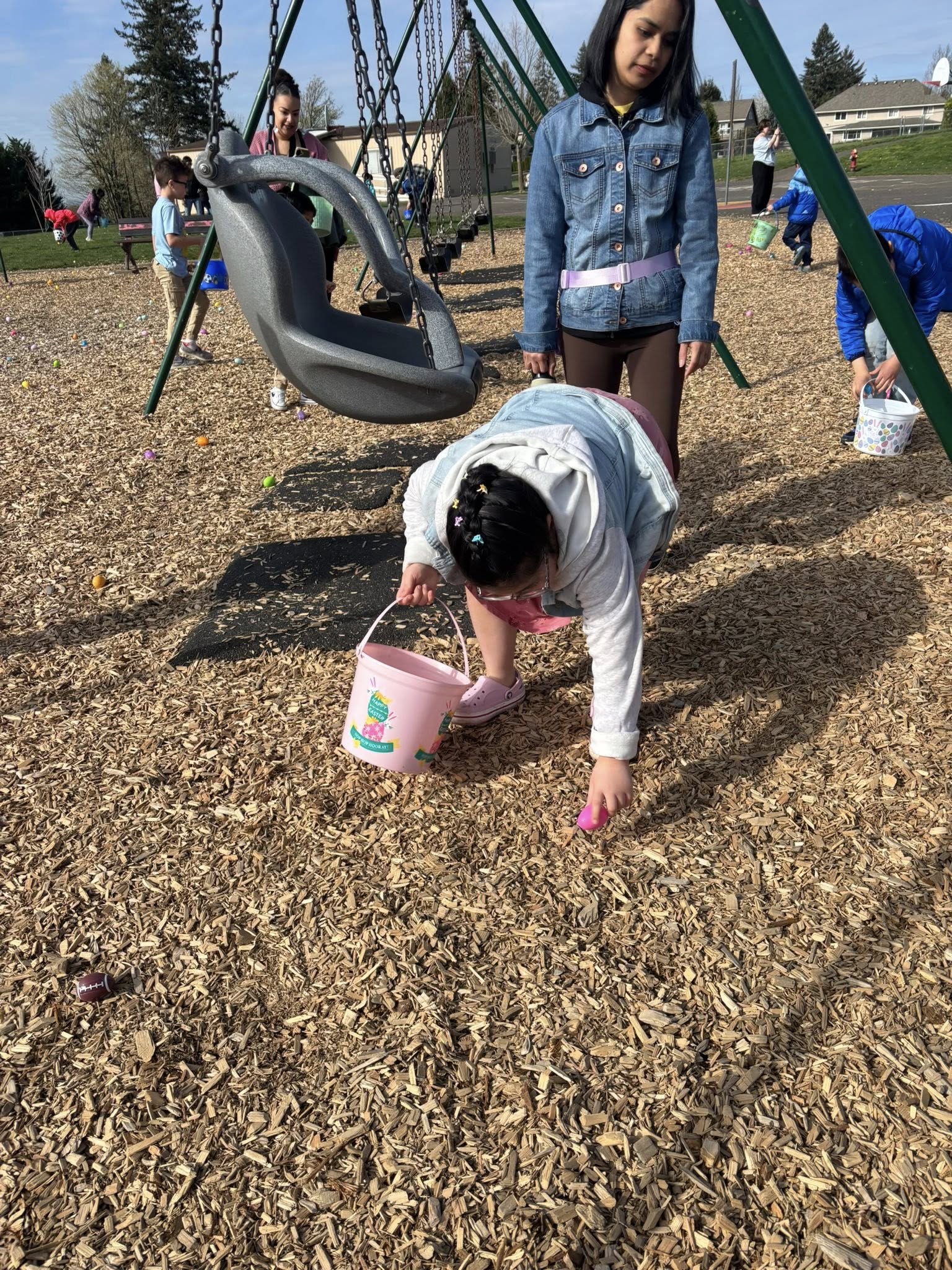

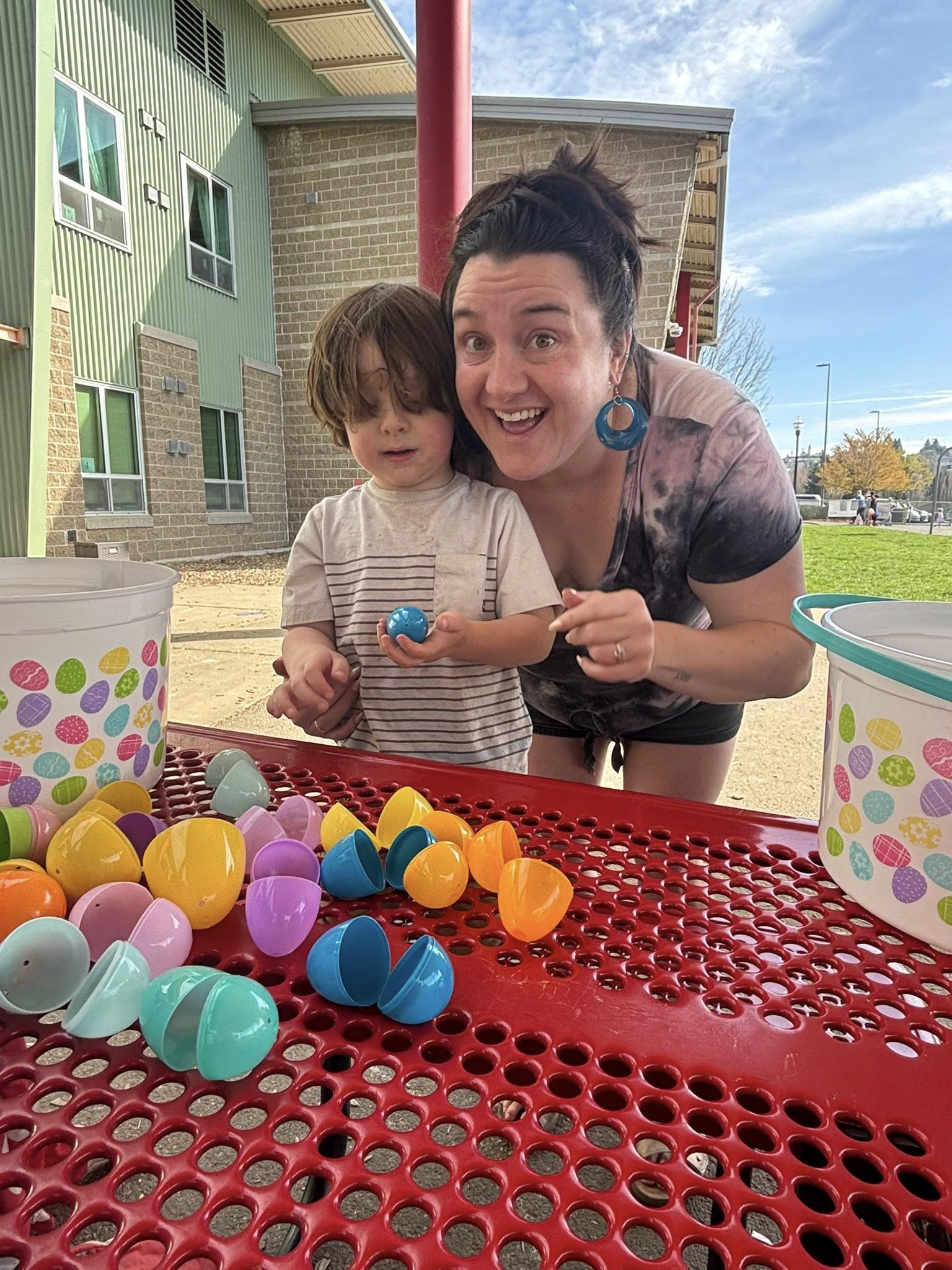
Lots of smiles and treats.



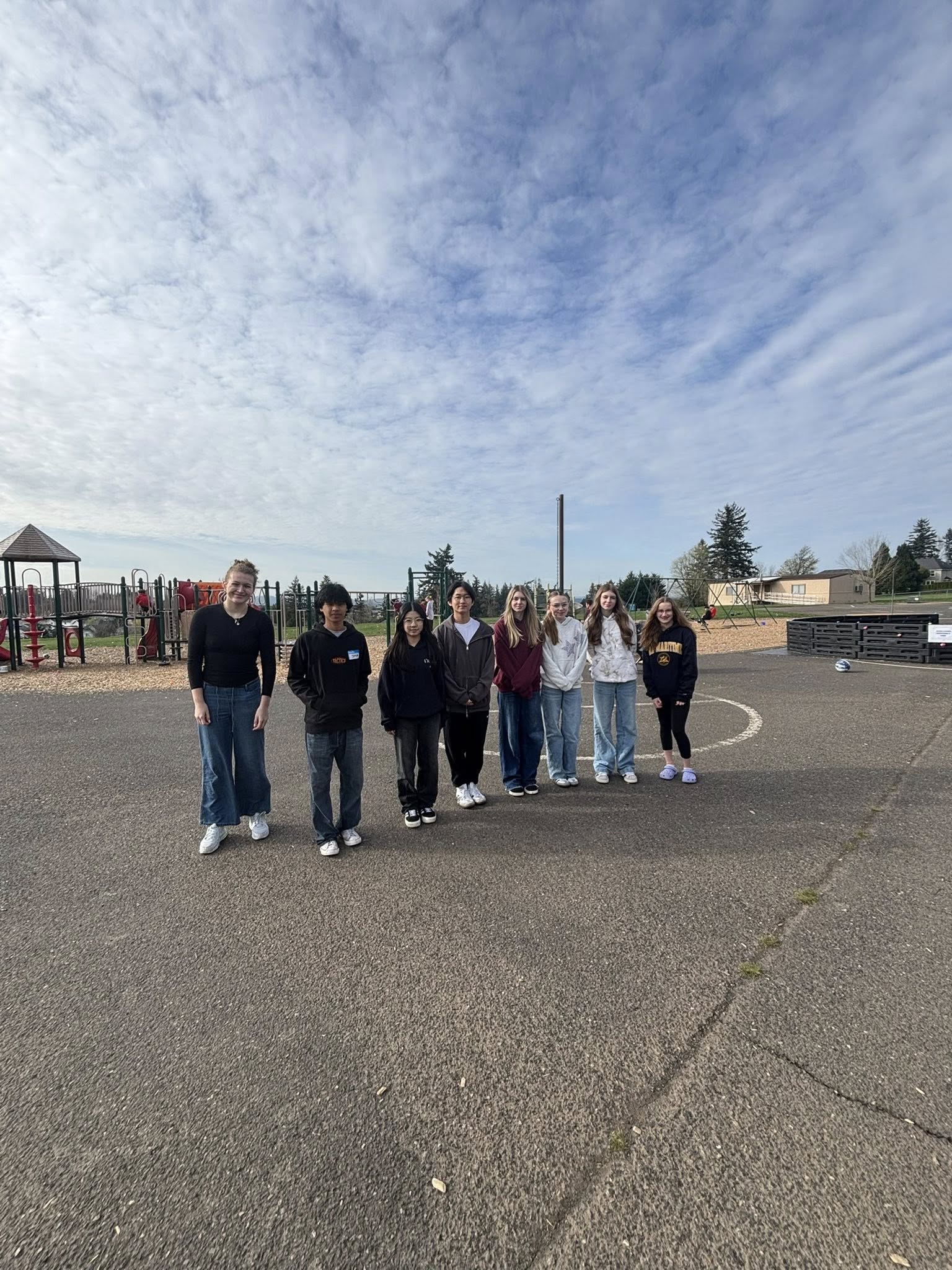
We had a great time finding eggs and seeing the Easter bunny at our Sensory Friendly Egg Hunt. A special thank you to those who donated candy, Susie’s Baking Co for the cookies, the Camas High School Key Club for filling and hiding eggs, and a big shout out to Prune Hill Elementary for hosting us this year.
Upcoming events
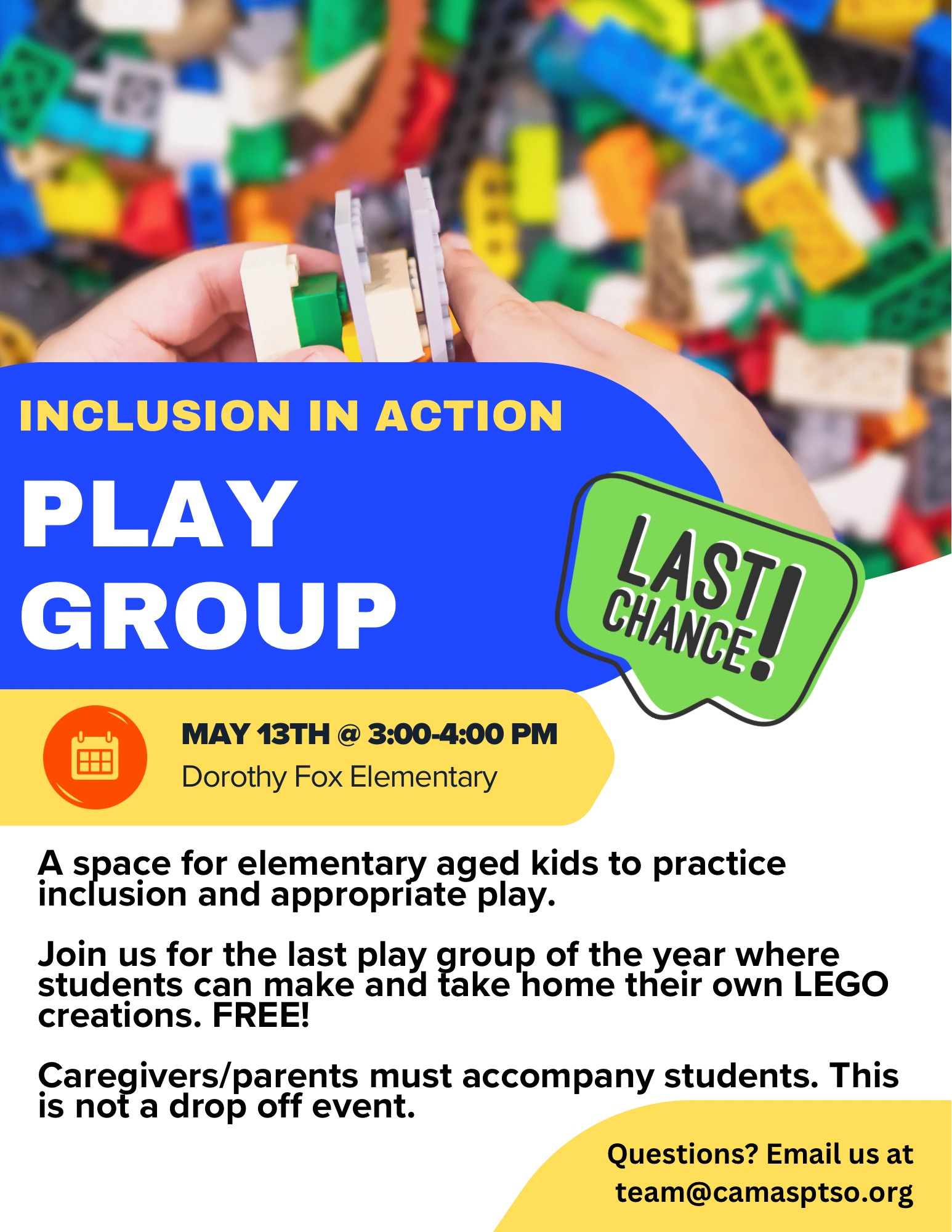
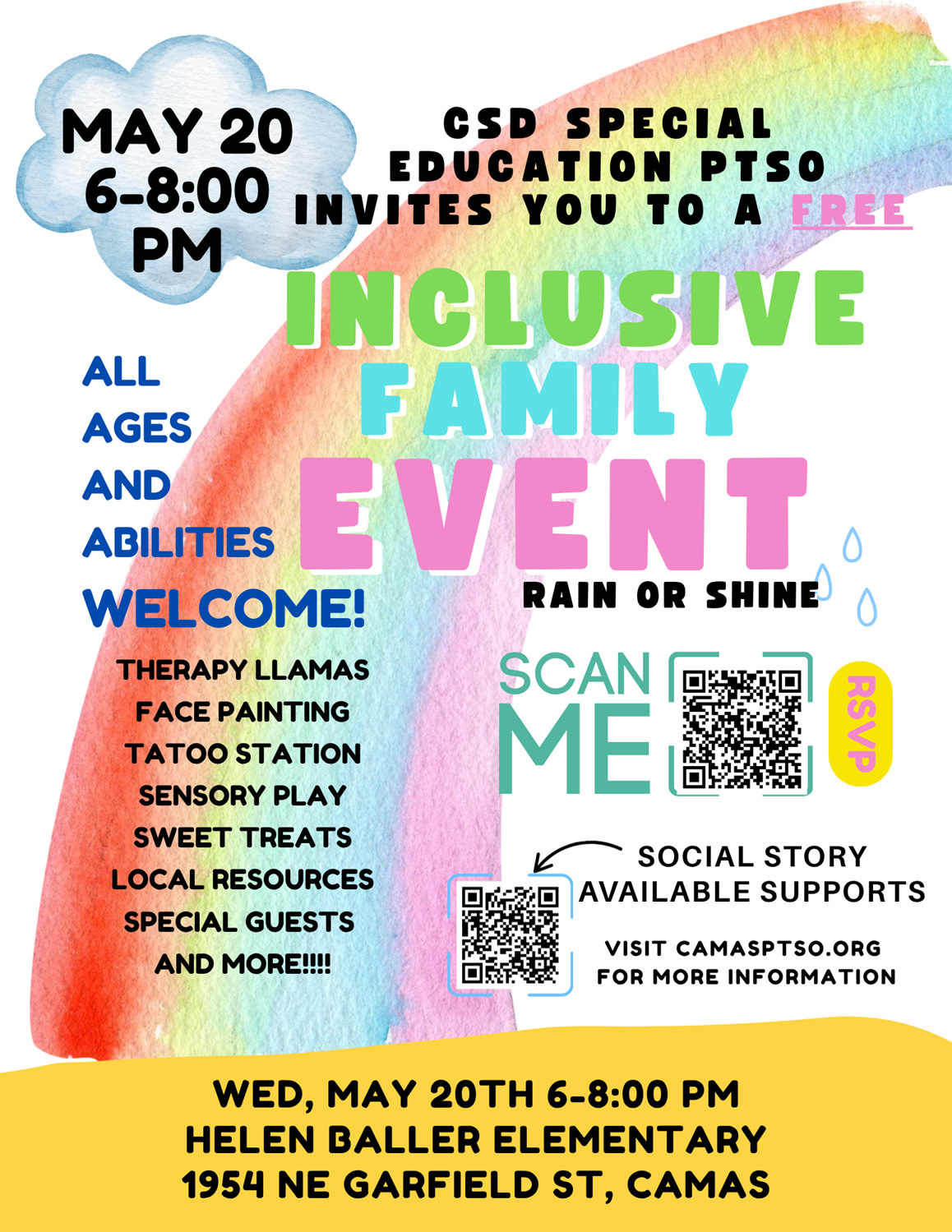
Important links
Would you like to provide anonymous feedback regarding your IEP/504 meeting experience? What worked and what didn’t? We will continue to get data from this survey throughout the year to share with the district – IEP/504 Feedback Survey