Jun 15, 2026
In this issue
- Dear Camas
- Gestalt Language Processing
- Inclusive Family Event 2026
- Summer Break
- Get Involved

Dear Camas CSD Special Ed PTSO Community,
As the school year comes to a close and we begin looking ahead to summer, I want to take a moment to thank you for your time, attention, and support throughout the year.
Together, we have explored a variety of topics, and I hope these newsletters have provided a helpful starting point for answering questions and connecting you with additional resources. This will be my final issue, and as I reflect on my time with the CSD Special Education PTSO, I am filled with gratitude.
As both a PTSO member and the parent of a 20-year-old adult with special needs, I have truly enjoyed getting to know so many of you during the five years I have volunteered with this organization. As I step down from my role, I hope others will step forward to continue the work and help the CSD Special Education PTSO grow and evolve to meet the changing needs of our community.
It is important to remember that every member of the CSD Special Education PTSO Board is a parent volunteer raising a child with special needs. Like many of you, we balance family responsibilities, school commitments, jobs, IEP meetings, medical appointments, and the daily challenges that can leave us feeling stretched thin. We chose to volunteer because we believed that if we wanted a stronger community for special needs families, someone needed to take the first step.
From the beginning, our vision has been for parents and caregivers to step in and out of leadership roles as their time and circumstances allow, contributing in whatever ways they can and building upon the foundation that has been created. We have worked hard to advocate for and support families, but special education is not a one-size-fits-all experience. Every child, family, and journey is unique.
That is why your feedback and participation are so important. We encourage you to complete the polls we share and engage when you are able. Your experiences, insights, and perspectives help guide our advocacy efforts and strengthen our ability to build meaningful community connections.
If you have volunteered, attended meetings, participated in learning opportunities, or joined us at events, thank you. Your time, energy, and voice have made our organization stronger. If you have not yet had the opportunity to participate, we invite you to consider sharing your time and perspective in the future. Every contribution matters.
Ultimately, our goal is to help the broader Camas community better understand, support, and make space for our children and families. For many of us, this is the community where our children will grow up, live, work, and build meaningful lives. By working together, we can help create a more inclusive environment and increase awareness among businesses, service providers, and community leaders about the need for greater support and services for individuals with disabilities and their families.
We invite you to join us in continuing this important work and helping shape a community that is welcoming, inclusive, and supportive for all children and families.
Thank you for allowing me to be part of your journey.
Sincerely,
Norma Madden Page
Gestalt Language Processing
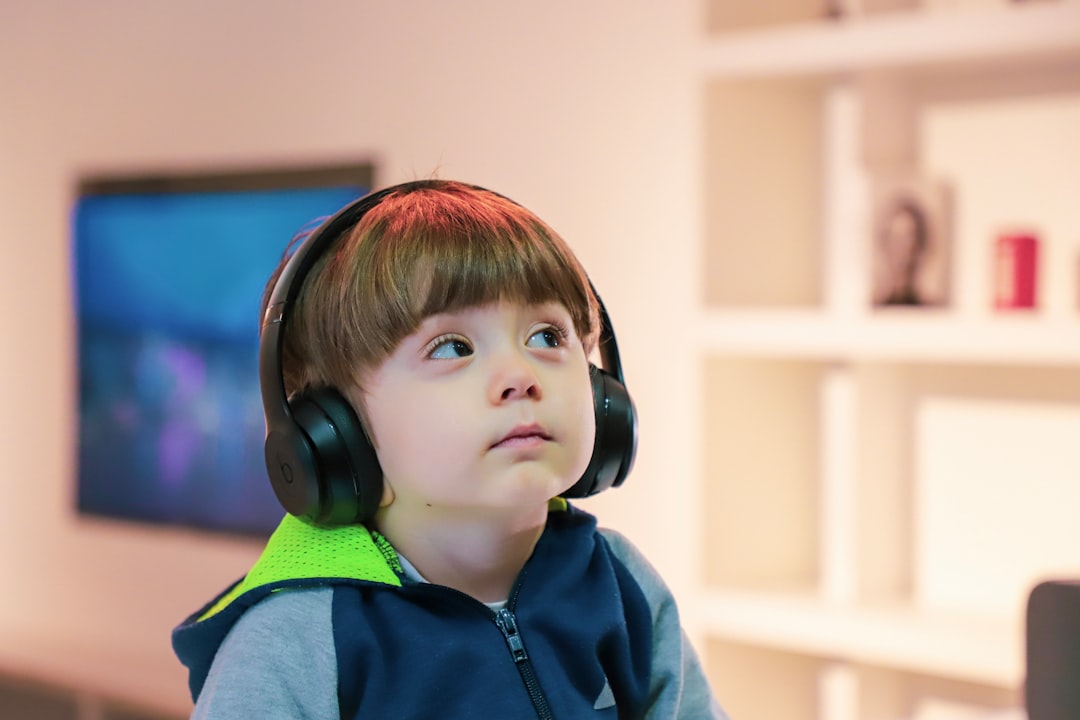
Recently Gestalt Language Processing has emerged into the mainstream. Though it feels like a new concept, it has been around since the 1970s and it was officially defined in 1983 following more research and books published on the subject. At that time, researchers like Dr. Prizant recognized that delayed echolalia (repeating phrases) as a meaningful stage where children learn to communicate.
Language acquisition branches into two main styles, which require different approaches to speech support and therapy
- Analytic Processors (Bottom-Up): Build language from single words up to complete sentences.
- Gestalt Processors (Top-Down): Learn language in large, unanalyzed “chunks” or scripts (gestalts) first, which they later break down into individual words The process of Gestalt language development is described through Natural Language Acquisition stages. Gestalts can be long (entire songs, movie quotes, or book lines) or short (single words said with intonation and are not flexible) and for early-stage gestalt language processors, the focus is not on the individual words. It is on intonation and meaningful experiences. Gestalt language processors follow predictable stages in their language development. These stages eventually lead to original, flexible language. There are six stages of gestalt language development. Some kids will communicate using a mix of these stages and some children communicate in one stage almost 100 percent of the time.
Stage 1: Delayed Echolalia
Children use whole gestalts or intonationally defined strings of language from people, media, or books.
Stage 2: Mix-and-Match or “Trimming Down” (Partial Gestalts)
Long gestalts are shortened and mixed into smaller chunks.
Stage 3: Single Words and Two-Word Combinations
Language breaks down into individual word units and new combinations.
Stages 4–6: Novel Sentences and Grammar
Children begin producing original phrases and sentences with grammar that becomes increasingly complex.
Most SLPs and SLTs are trained primarily in traditional analytic strategies. These strategies work well for delayed analytic processors but they often keep gestalt language processors in the early stages “stuck.” Instead of supporting flexible, conversational language, they may increase prompt dependence and may prevent natural language acquisition through the stages. It is important to look for SLPs and Speech Therapists that are familiar with Gestalt Language Development so they can provide neurodiverse affirming care and appropriate support.
When we misunderstand gestalt language development, echolalia gets labeled as meaningless and therapy often focuses on compliance and decreasing the use of echolalia. But when we understand echolalia, that it is recognized as part of natural development, language is modeled without expectation and all communication is honored. To learn more about Gestalt Language Processing check out the resources below.
https://www.meaningfulspeech.com/offers/4boeFFJ9/checkout
Inclusive Family Event
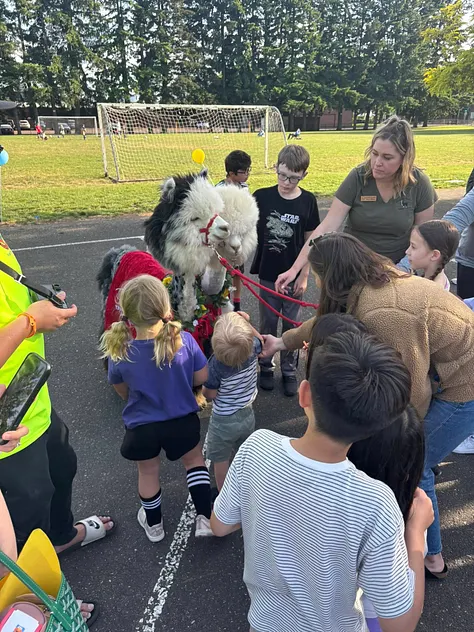
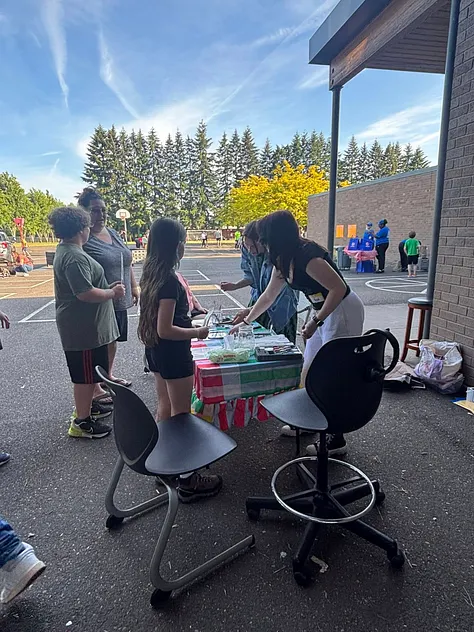
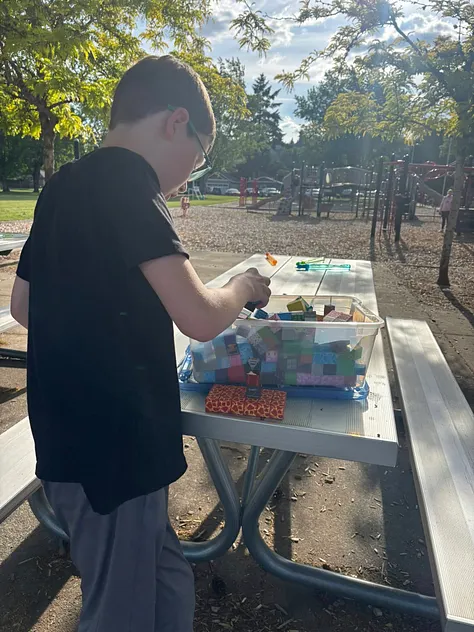
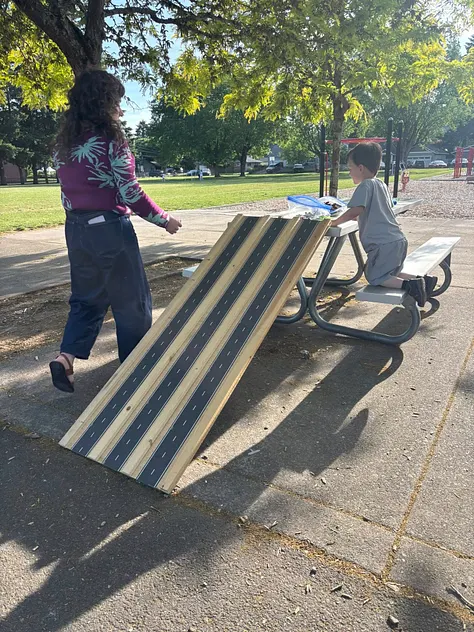
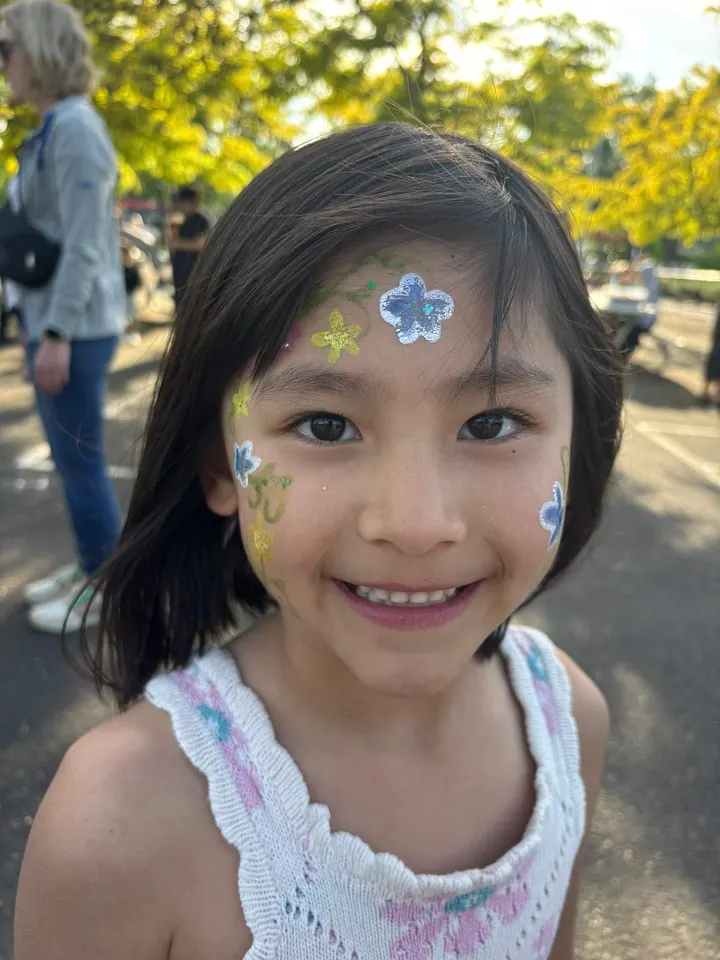
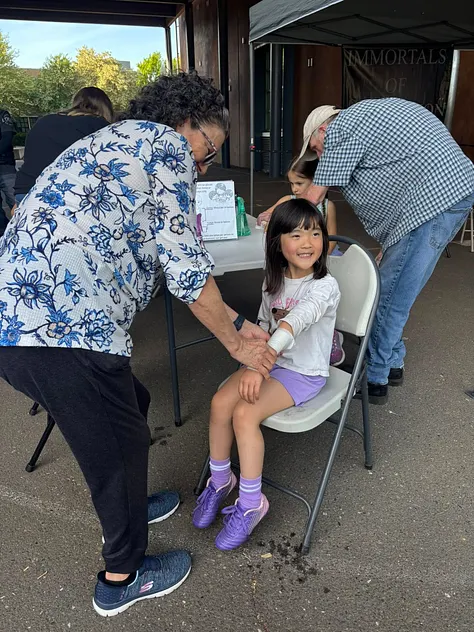
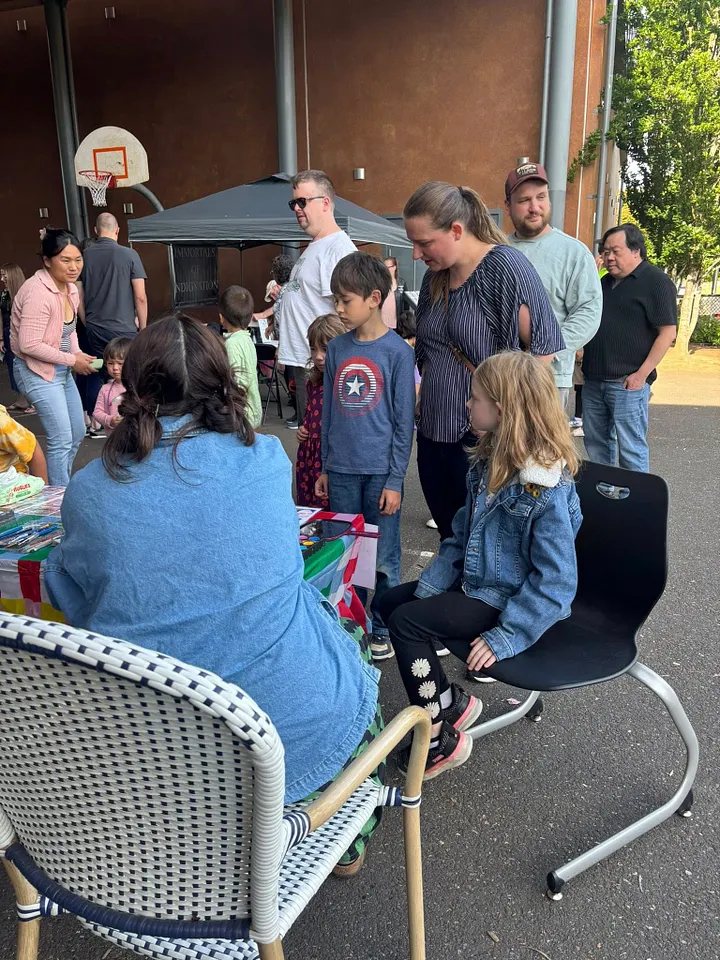
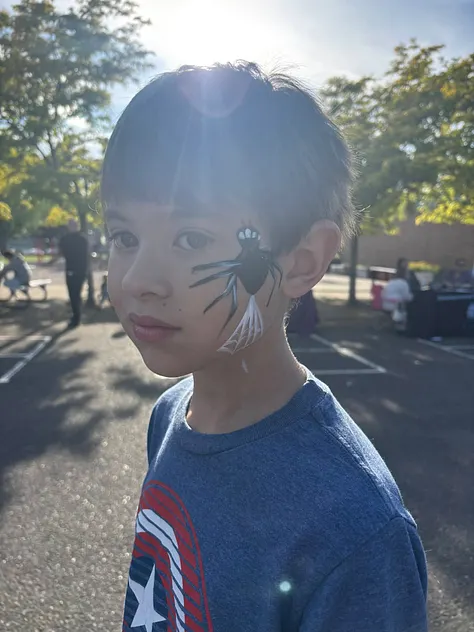
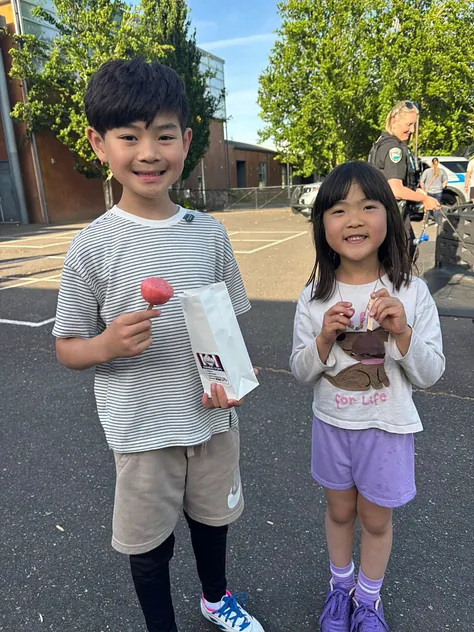
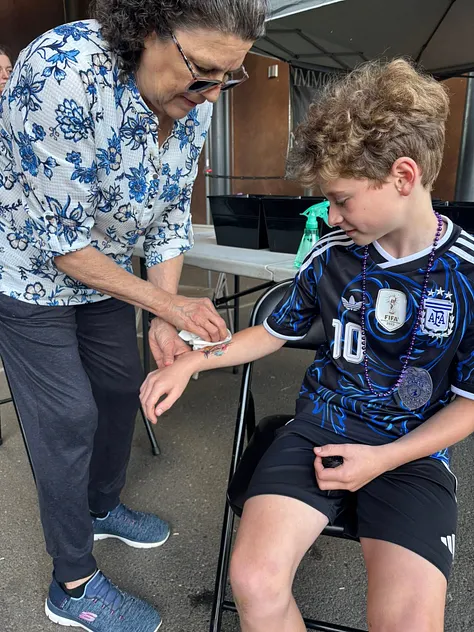
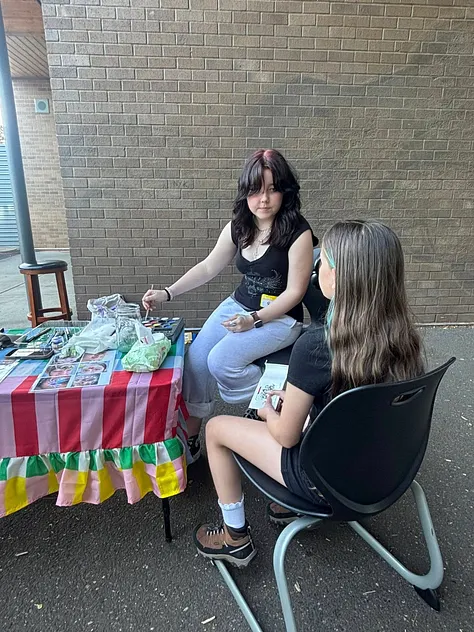
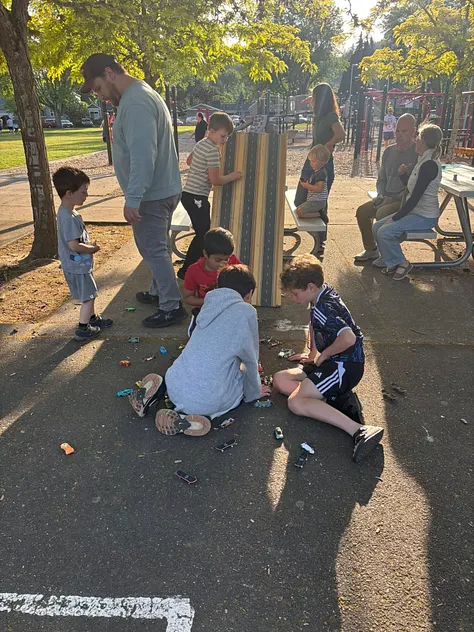
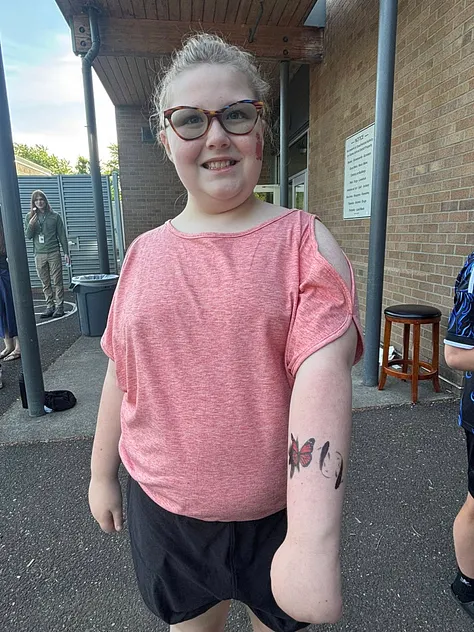
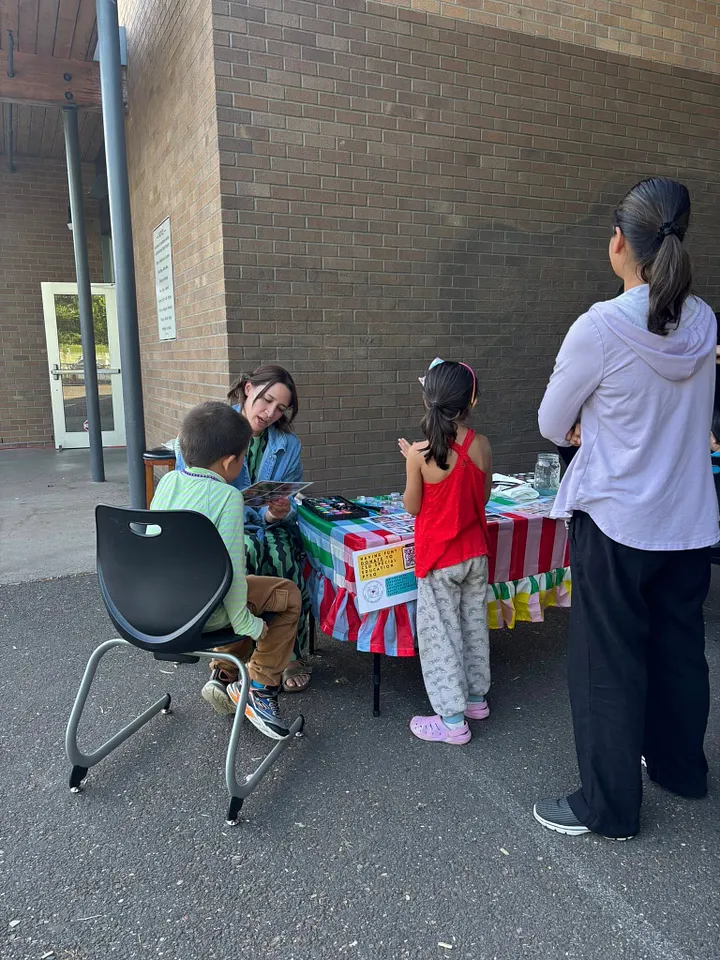
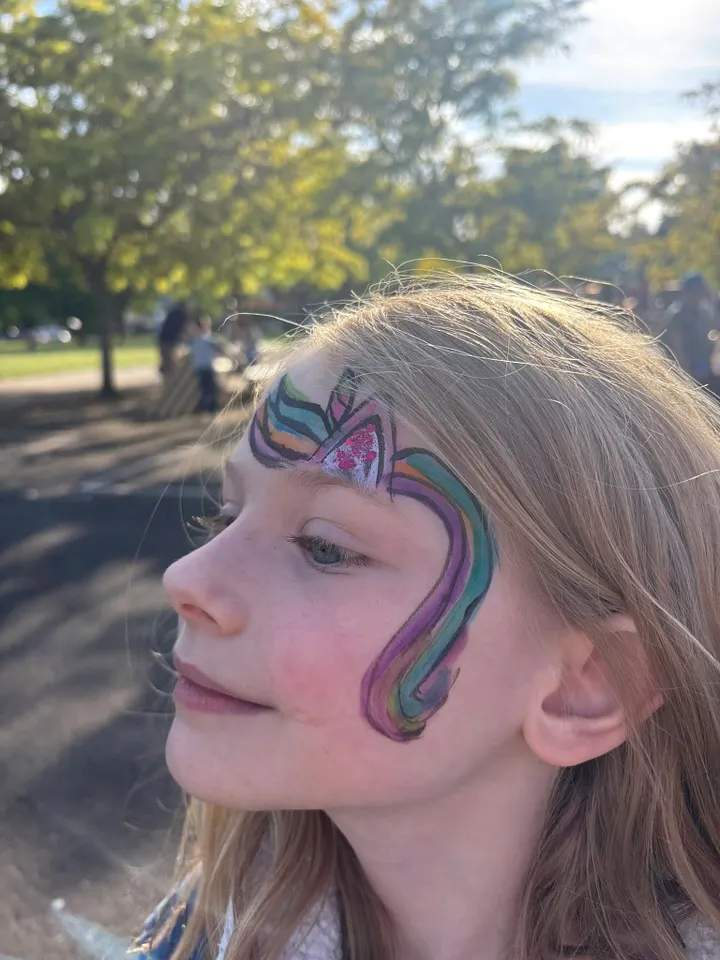
Thank you to everyone who attended our end of the year Celebration!
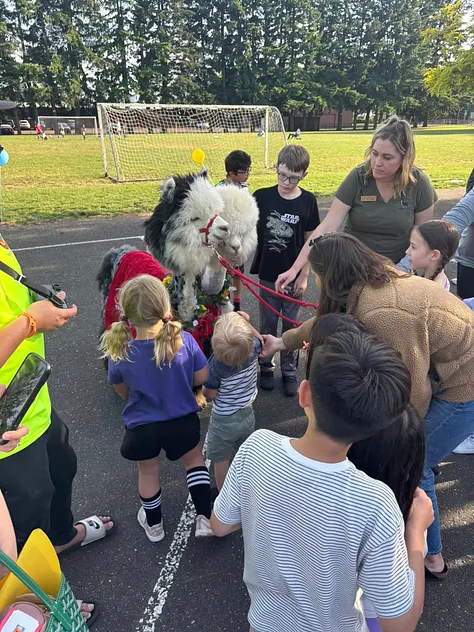
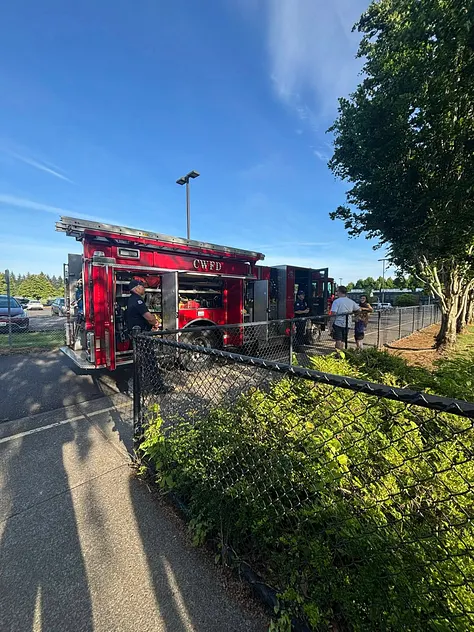
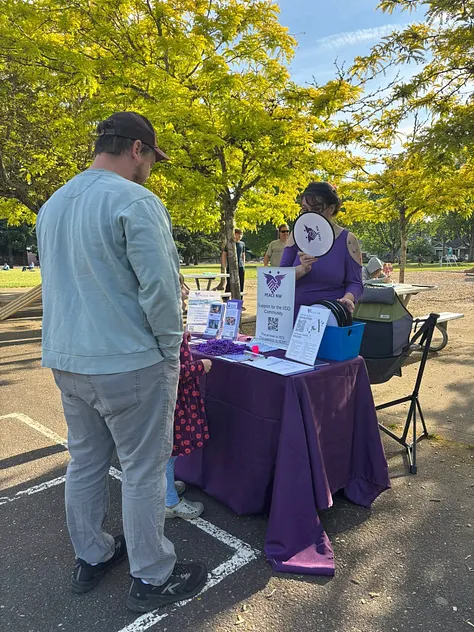
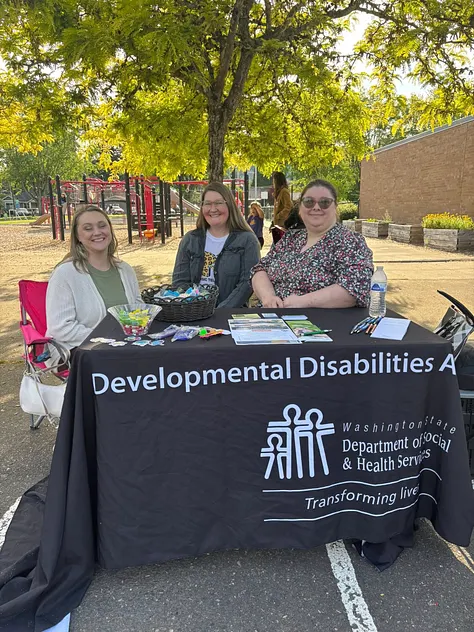
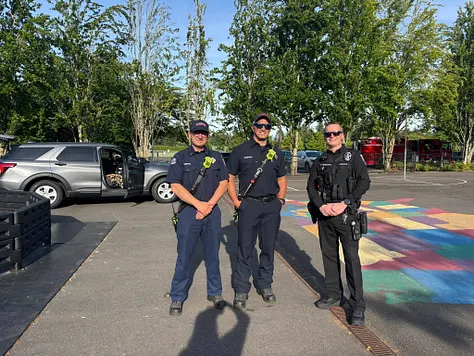
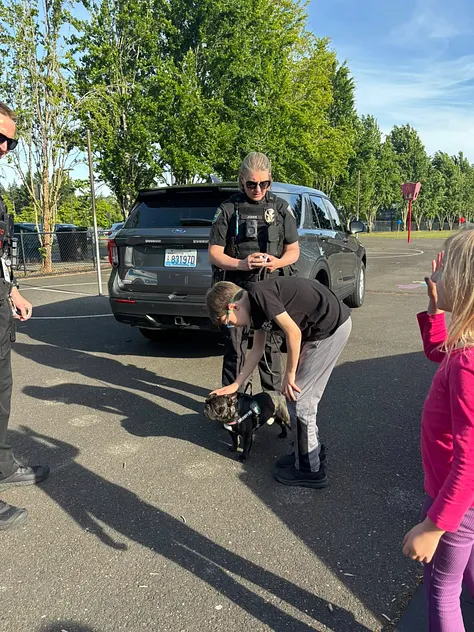
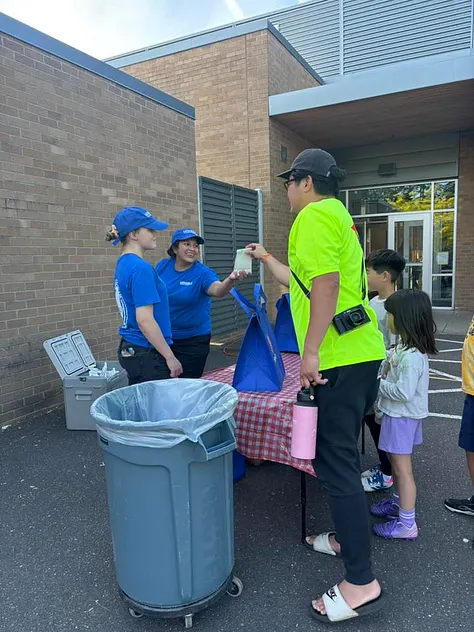
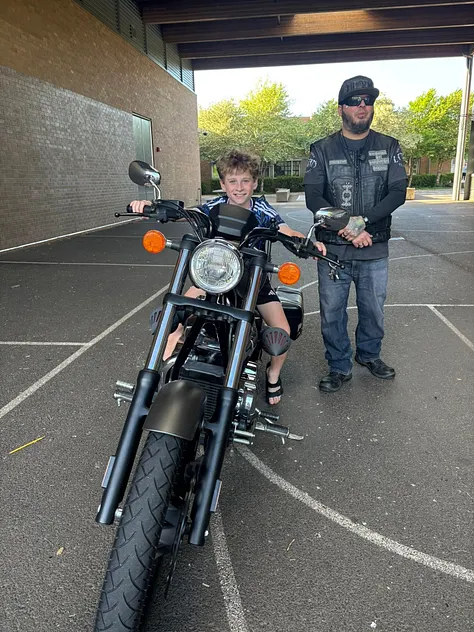
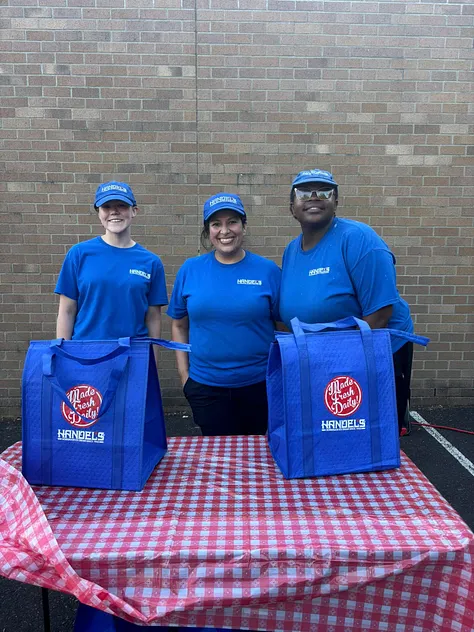
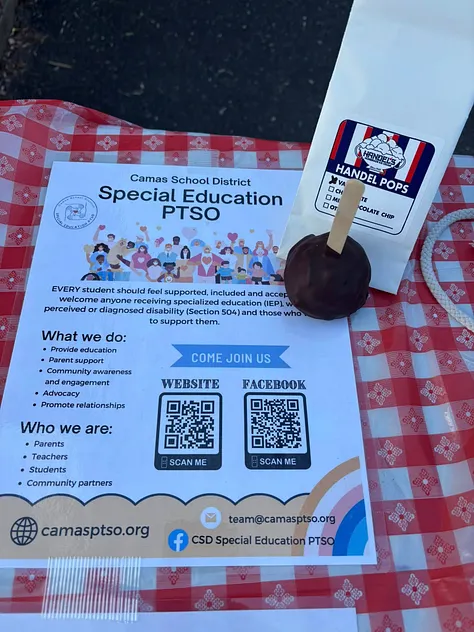
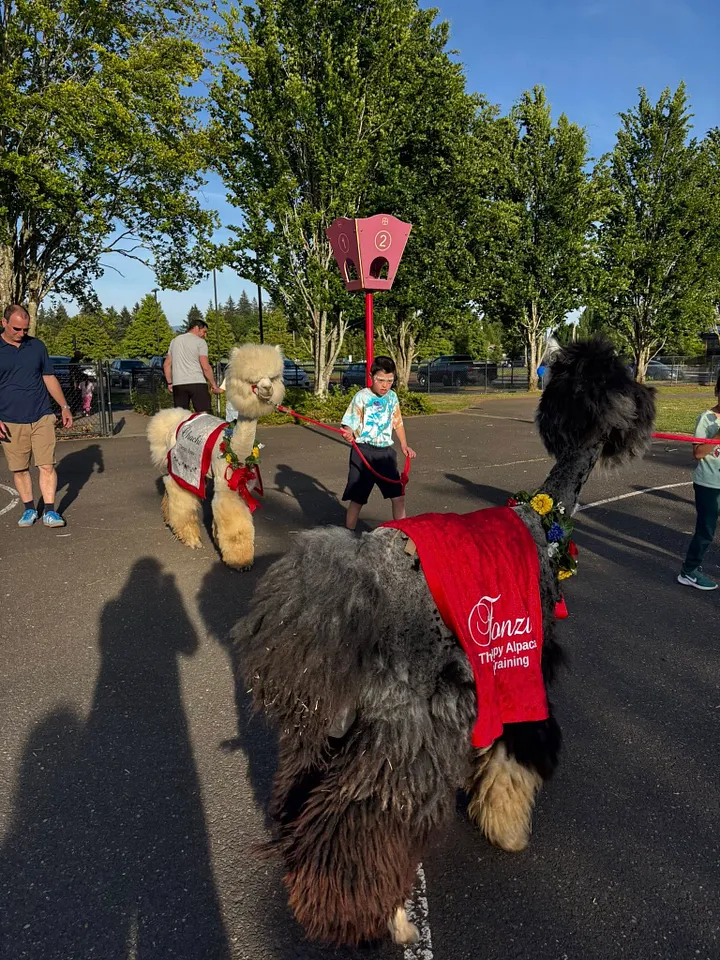
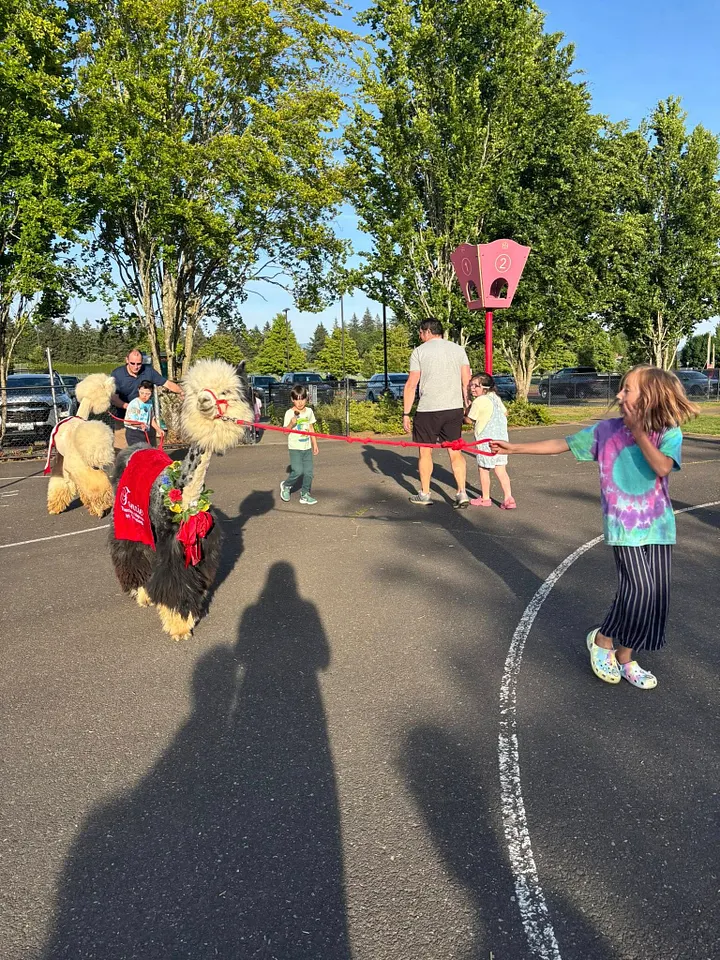
A BIG THANK YOU!
To Mountain Peaks Therapy Llamas for bringing 2 adorable alpacas. The Camas Police Department and Camas Fire Department for sharing their vehicles and therapy dog Doctor Watson aka “Doc” with us. Handel’s Ice cream for providing Handel Pops for all the kids. Peace NW and DDA for providing families with resource information. The Immortals of Indignation for bringing their tattoo and motorcycle station for everyone to enjoy. Lastly to our amazing volunteer Sarah Paik for bringing her Face painting talents to the event and to all the volunteers that made the inclusive family event a success.
Summer Break
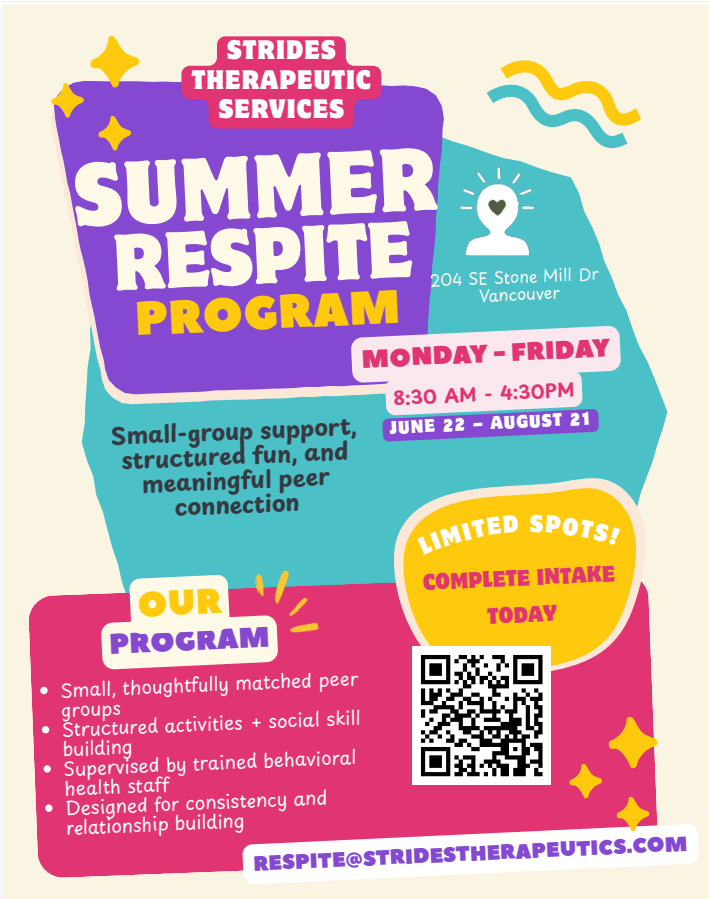
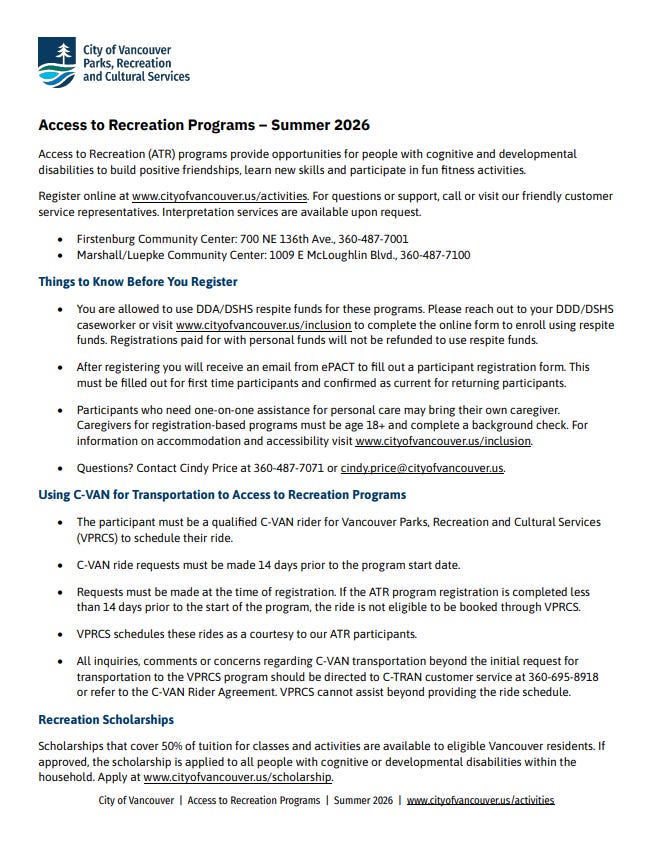
https://www.cityofvancouver.us/wp-content/uploads/2025/04/GUIDE-Access-to-Recreation-Program.pdf
https://www.understood.org/en/topics/summer-guide
https://cityofvancouverwa.formstack.com/forms/vprcs_enrollment_request_utilizing_respite_funds
Get involved

PTSO Board Positions Open
Are you looking to get more involved building community for special needs families in Camas? Would you like to work with fellow parents and caregivers planning and setting up inclusive events? We are looking for parents/caregivers to join our board. Help us to continue to build a sense of belonging and inclusion for families on their special education journey. Your experience, insight and participation matters. We are a volunteer based board. We devote our time and effort into creating inclusive events, building awareness, community and advocacy. If you’re interested in learning more, email us at President@camasptso.org or contact us on Facebook, we look forward to working with you!
Important links
Would you like to provide anonymous feedback regarding your IEP/504 meeting experience? What worked and what didn’t? We will continue to get data from this survey throughout the year to share with the district – IEP/504 Feedback Survey