Feb 25, 2026
In this issue
- Dear Camas
- Transition planning for students with disabilities
- Upcoming events

Dear Camas CSD Special Ed PTSO Community,
In this issue I would like to talk about transition with regards to special education: what it is and when to start. Taking into consideration what life after school looks like can help us focus our child’s IEP into a more functional document with the future in mind. It takes time to learn new skills, so we should give our kids as much time as possible while they are still in school and under an IEP. It also takes time for us to prepare mentally, emotionally, and financially for what comes next. Having a better understanding of the transition planning process can also help us become more effective advocates and help us make the most of the resources available to us while our child is still in school. Below are resources to help you learn more about transition planning and how it can you help build a better quality of life for your loved one.
Warmly,
Camas CSD Special Ed PTSO Team

What is transition planning?
If your child is in high school you may have already had a conversation with your child’s teacher about transition. When students turn 16 years of age, it’s important to start talking about transition planning with your teens high school IEP team. It is also important to include your child as much as possible in the IEP process. Transition services are designed with the intention of preparing your child for life after they age out of the school system at 22. Transition planning can help shape an IEP to reflect those new goals. The first chapter of the IEP journey during elementary years involves addressing needs and helping support the student learn new skills or catch up on lost skills or academics. Transition planning is all about person centered planning and readiness for adult life after school is done, factoring your child’s wants and needs for the future along with your goals for them.
A vital part of transition planning is a post secondary transition assessment. In order to create an effective transition plan a transition assessment must be done to determine strengths or skill gaps in things like job skills, life skills, independent living skills, adult services, and community participation. For some students it can even determine readiness for postsecondary education or vocational training. IEP evaluations and 3 year assessments are not the same as a post secondary transition assessment. Transition assessments give a more focused and clear picture about readiness for life post 22 years of age. Understanding the process of transition planning gives both you and your teen time to prepare for what’s next. It can also help ease some anxiety about the unknown.
Important additions to your child’s IEP as they become a teen:
Self Advocacy
Many early IEP goals might involve following directions and compliance. If the main focus is learning compliance, then your child will not learn that they have autonomy and that they can say no. We have to find a balance in following directions and self advocacy. Self advocacy is a very important skill for anyone to learn, especially the most vulnerable. For example, learning self advocacy can help students ask for breaks when they need them and in turn lessen disruptive behaviors, or saying ‘no’ to someone who is asking them to do something unsafe. Yes, students need to learn that there are rules that we must follow, but they also need to learn how to advocate for themselves to help keep themselves safe in the community and the workplace when they are not with us. Understanding your needs and being able to express your needs to others is a tall order, but adding practical steps early to teach your child self advocacy can help reinforce the fact that they have a voice regardless if they use different forms of communication like an AAC device, spelling, or PECS.
Job Skills
Is your teen active and can’t sit still? They might not be suited for a job that involves sitting for long periods of time – a job that requires movement and a list of tasks to complete might be a better fit. Taking into account your child’s interests, strengths and skill set can help shape their IEP and provide more successful outcomes. Supported employment can be an option for teens with higher needs that need supervision and support to access employment safely. Talk with your transition team about what job skills they will be learning and discuss what types of support your teen will need to learn to access a job. Things like working in a group, asking for help, managing money, community safety, soft skills, and reading directions could be important skills to discuss at your IEP meeting.
Social skills
Life can be more isolating when our child ages out of school. It’s harder to be around peers when there are less social opportunities available. Working with your IEP team on goals regarding employment and community engagement can open up social options for your teen in the community. Is your teen social and loves to hang out with friends? Or do they have social anxiety about crowds and new places? These are important things to consider when looking for social opportunities. Connecting with other parents with teens of a similar age might be a good idea if your teen feels more comfortable hanging out with a friend in a quieter setting. Good skills to learn might involve practicing saying hello to a friend appropriately, how to order from a menu, how to use a phone to text a friend, taking turns, learning to make choices about what activities they might want to do with a friend, learning to access public transportation. Signing them up for programs in the community that offer social opportunities with young adults their age might be something to consider as they age out of school. You might have to try a few things before you and your teen figure out what works best for them.
Independence skills
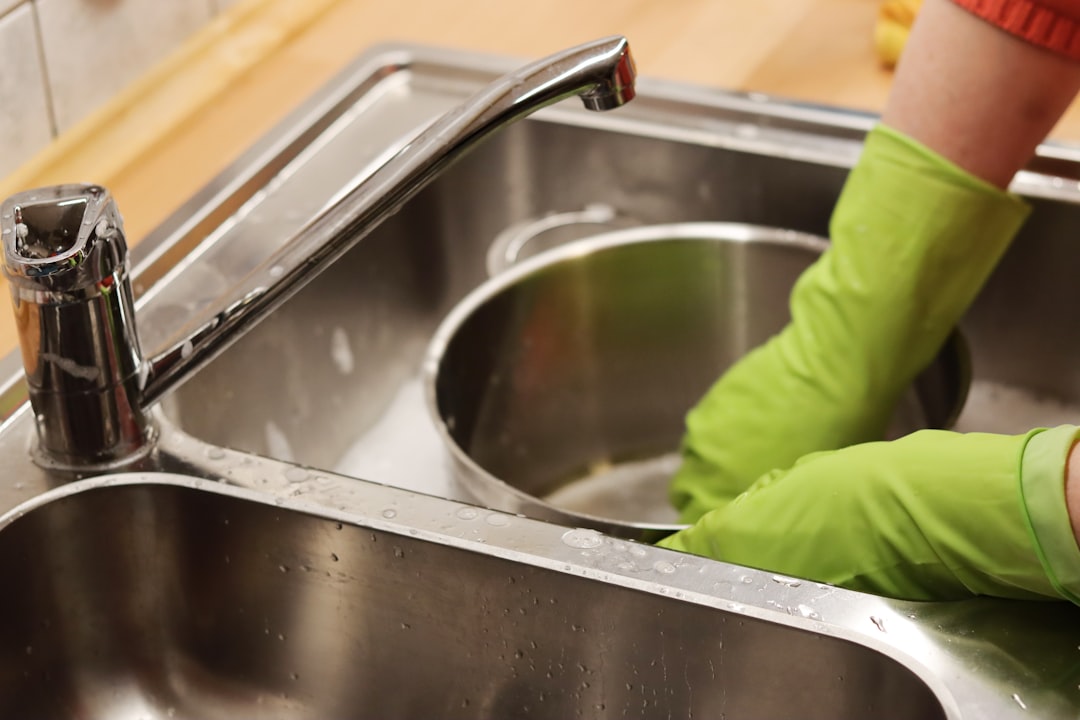
Start looking into what works for your loved one with regards to their level of independence. It’s also important to factor whether you and your teen want to continue the current living arrangements moving forward or if your family is considering independent living options. Skills like loading the dishwasher, making a shopping list, navigating a grocery store, making a budget, using a debit card, and cooking can be very helpful to learn. Learning about housing options, subsidies and vouchers that help pay for housing can be essential to your future planning. Partners for Housing often have free consultations on social media throughout the year to help answer your questions about housing options.
Self Determination
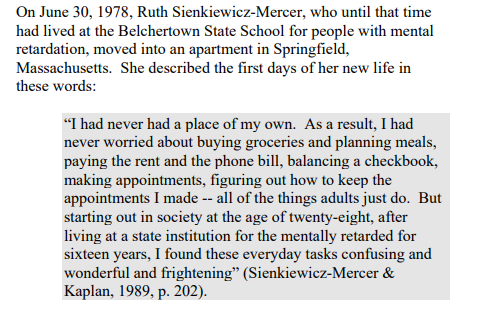
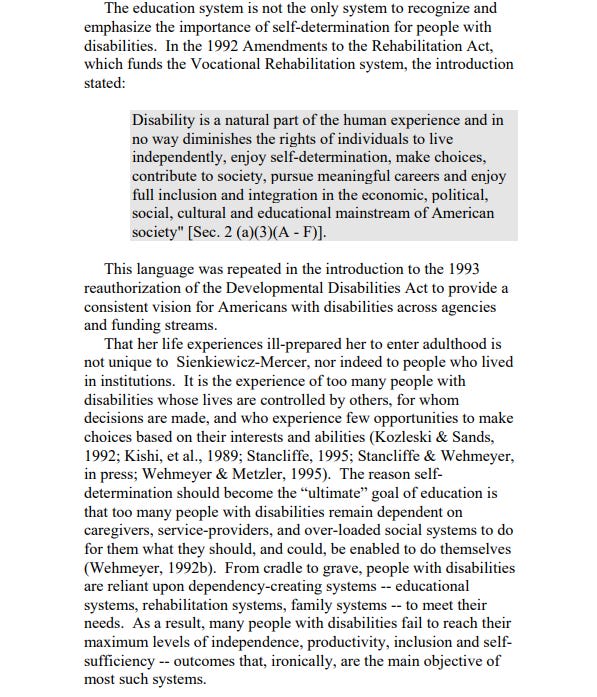
Self determination in special education means giving students a voice in their own learning. It’s important for students to learn skills like setting goals, self advocacy, making decisions, and developing self awareness. Self determination helps build autonomy and self empowerment. When we include our teens as much as possible in decisions about their own life and future it helps the outcomes become more meaningful and successful for them.
Below is an excerpt from The Arc self determination scale about the importance of self determination.
Accessing Services
As you may have already experienced, applying and qualifying for services can take time. Six months before your child turns 18 it’s important to start applying for services like DDA and SSI and talking to your DDA case manager if you already have one. Looking into Guardianship or supported decision making are also important at this stage. When your child turns 18 they are considered legally an adult so it can be harder to be part of things like doctor’s appointments and speak on behalf of your child. When your child turns 18 you may also qualify for respite hours for a caregiver, respite hours in the community, as well as potentially getting paid to be your child’s caregiver through CDWA. An attorney can help answer questions about things like Power of Attorney, Guardianship and Conservatorship with a consultation. You can also look into alternatives to guardianship to find other options that might work for your family.
For more information please checkout the links below
secondary transition according to IDEA
successful transitions for all
https://www.courts.wa.gov/guardianship
https://www.informingfamilies.org/14-21/ages-14-21
https://www.dshs.wa.gov/dda/community-residential-services-adults
Volunteer with Autism Empowerment
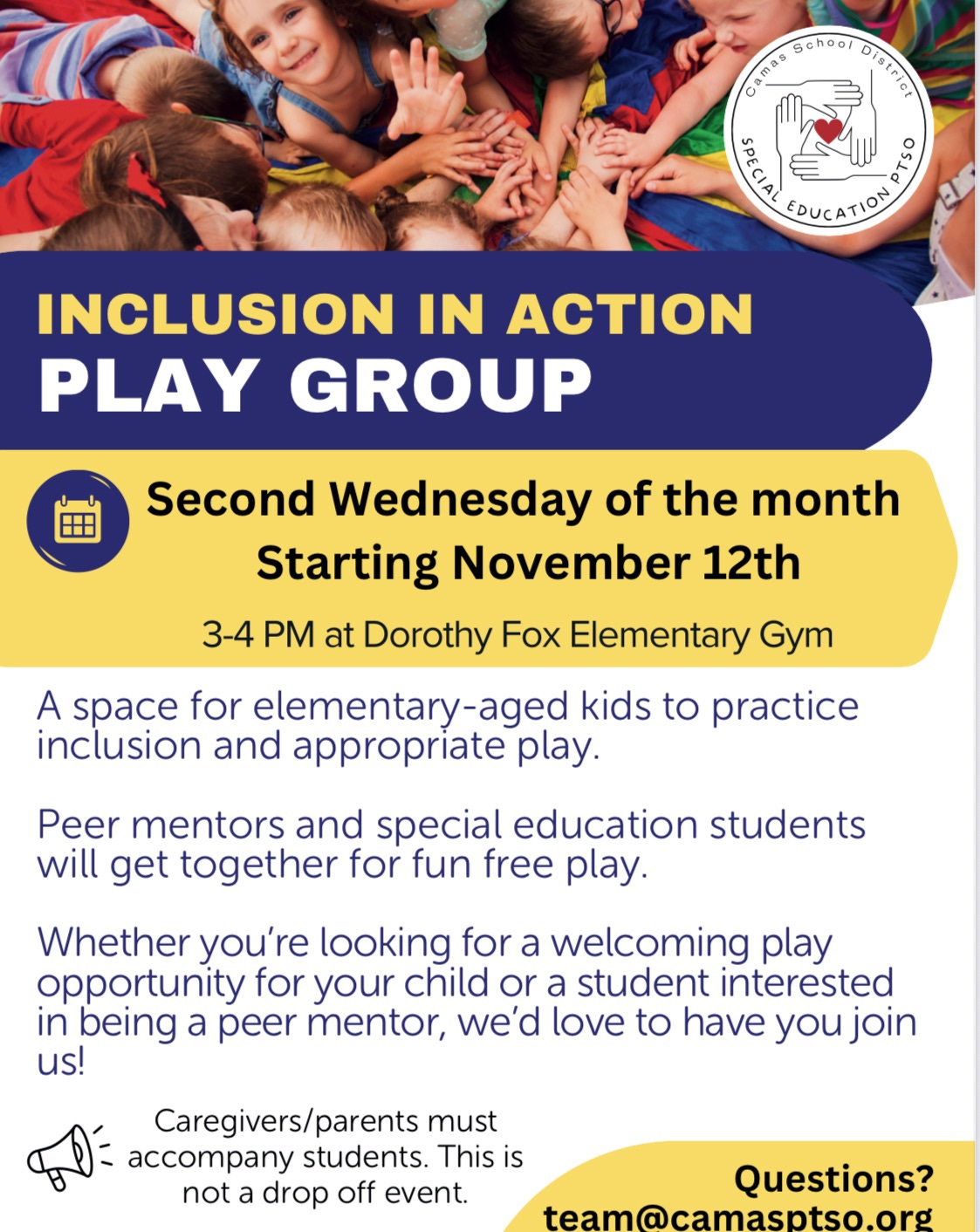
Upcoming events

Important links
Would you like to provide anonymous feedback regarding your IEP/504 meeting experience? What worked and what didn’t? We will continue to get data from this survey throughout the year to share with the district – IEP/504 Feedback Survey